The Cadaver Synod: A Grim Courtroom Drama
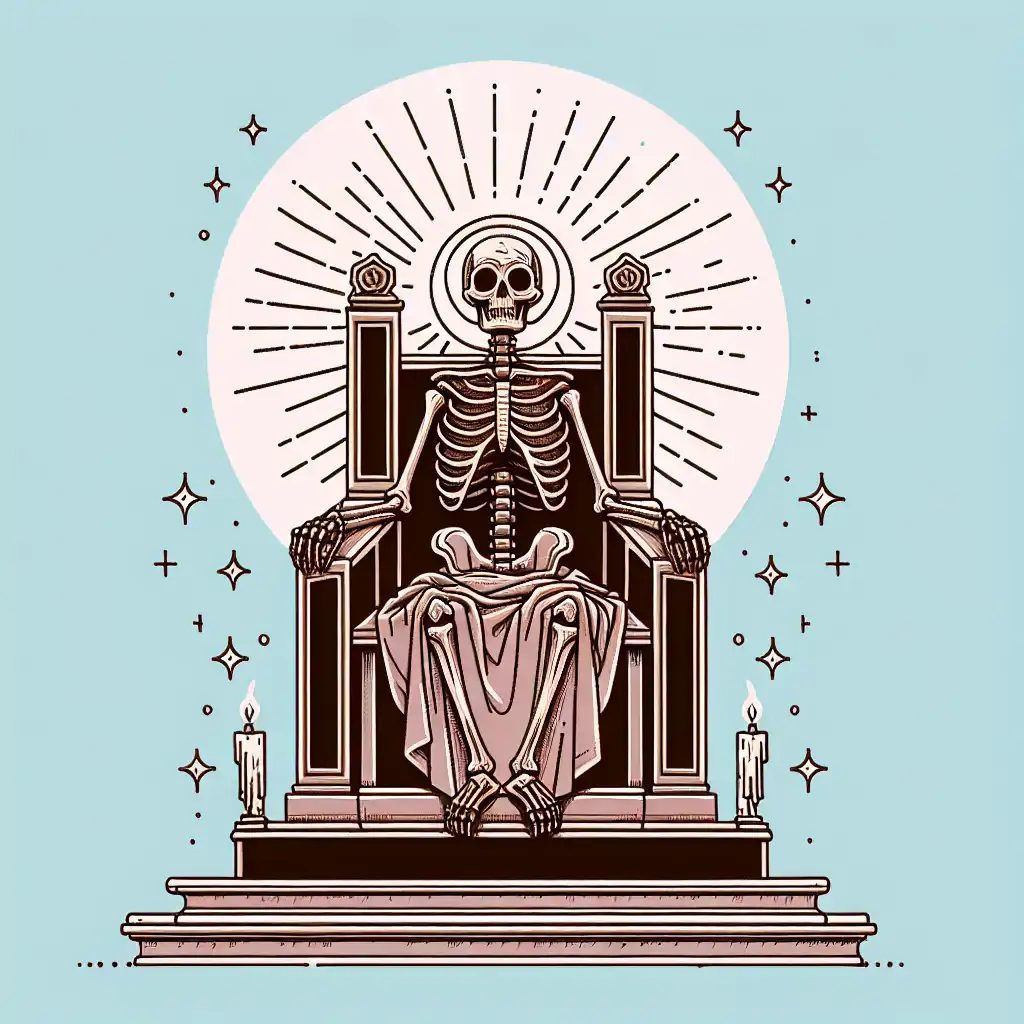
Welcome to the captivating yet grotesque tale of the Cadaver Synod, an event so peculiar that it seems like fiction. Imagine a courtroom scene where the accused is a decomposing body seated on a throne, facing the wrath of his successor. This courtroom horror unfolded in 897 AD in Rome, centering around Pope Stephen VI, who decided to put his predecessor, Pope Formosus, on trial posthumously. Accusations flew across the courtroom, but the plaintiff had to speak for the defendant because, unsurprisingly, the defendant was very much dead. This bizarre spectacle was not merely an indication of one man's obsession; it revealed deeper layers of political intrigue and instability that plagued the papacy. Ready to dive into this macabre drama? Let's set the stage for one of history's strangest trials.
The Cadaver Synod is less known but stands out as a jaw-dropping example of how political power struggles can reach absurd levels. The 9th century was a tumultuous time for the Catholic Church, where power often exchanged hands in a grim dance of political intrigue. Against this backdrop, Pope Stephen VI exhumed the remains of Pope Formosus to charge him with crimes against the Church. This was a period where papal politics were murky at best, filled with alliances, betrayals, and vendettas. Understanding why such a bizarre trial took place involves peeling back the layers of church politics and human folly in medieval Rome.
Why would Pope Stephen VI go to such lengths to condemn a predecessor who was already six feet under? The story touches on themes of rivalry, retribution, and a shaky quest for legitimacy. By exploring the Cadaver Synod, we can better understand the political dynamics that pushed Stephen to such an extreme. This infamous trial not only exposes the absurdity of its method but also sheds light on the turbulent nature of an era where madness often masqueraded as justice. Prepare to be both entertained and astonished as we unravel a courtroom spectacle that reads more like a dark comedy than a historical event.
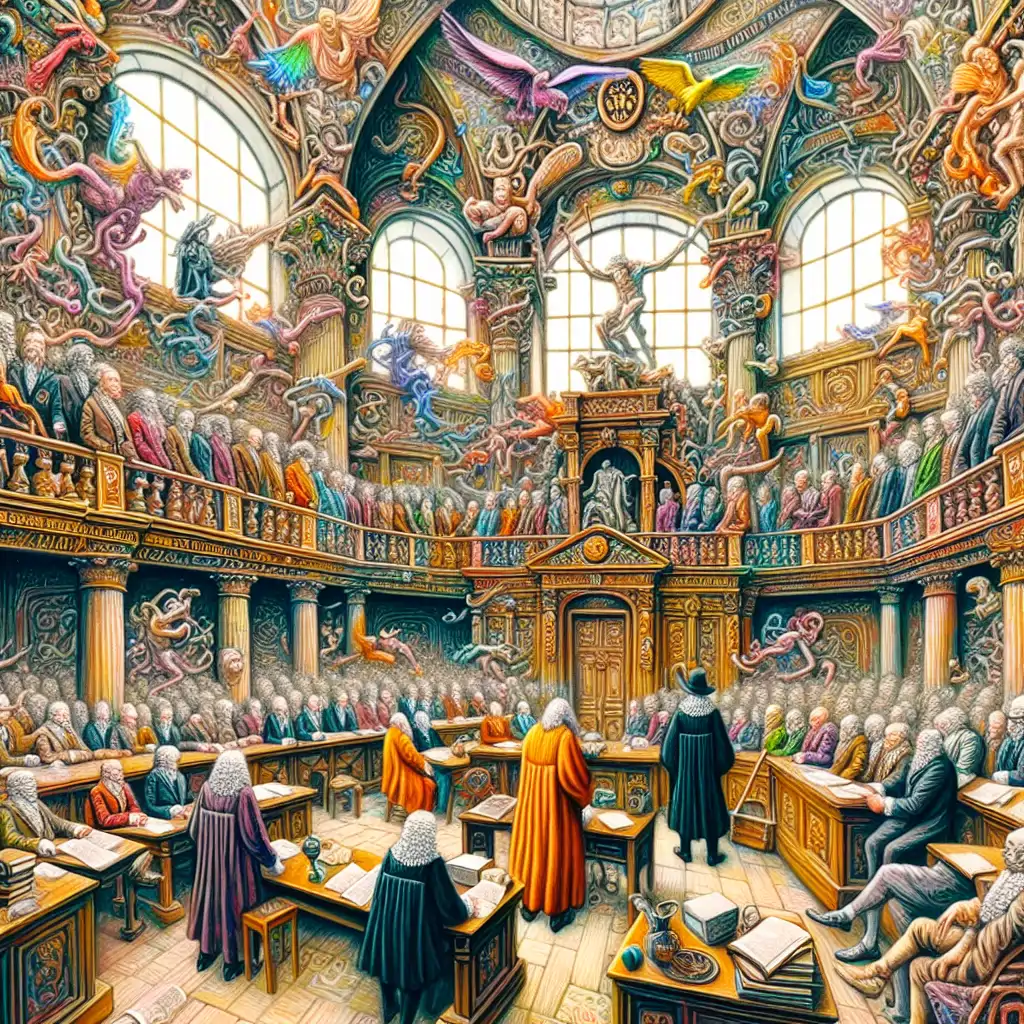
As we dive into the main events of the Cadaver Synod, it's essential to set the scene. Post-Carolingian Europe was a chaotic patchwork of competing powers, both religious and secular. The papacy, supposed to be a spiritual guide, often found itself caught in political crossfire. Enter Pope Stephen VI, a man driven by ambition or perhaps sheer vindictiveness. Stephen's predecessor, Pope Formosus, had a tumultuous papacy fraught with conflict and controversy. Overwhelmed by desires to consolidate power and settle the score with perceived enemies, Stephen resorted to exhuming and executing Formosus—a judgment both ghastly and symbolic.
So, what exactly were the charges against Formosus? Accusations ranged from perjury to coveting the papacy while he was already a bishop—crimes that seem minor compared to modern standards. However, 9th-century papal politics were anything but straightforward. The charges reflected deeper disputes over ecclesiastical authority and territorial control. Formosus, who had ties to the Carolingian dynasty, was implicated in allegiances that may have clashed with the interests of certain Roman factions. We can't overlook how his choices molded his fate, ultimately leading to his infamous posthumous trial.
The trial itself was a gruesome spectacle highlighting the bizarre theatricality that human beings are capable of when driven by vendettas. Imagine a courtroom set inside the Basilica of St. John Lateran, where the rotting remains of Formosus were dressed in papal vestments and propped up on a throne. Stephen VI hurled accusations as a designated spokesperson answered on behalf of Formosus—a performance macabre and comedic in equal measure. The synod was attended by bishops and other clerics who witnessed this uniquely morbid form of ecclesiastical drama. Undoubtedly, this was a manipulation of judicial proceedings, turning the sacred into something farcical.
What made Stephen's actions even more unsettling was the fact that the outcome was a foregone conclusion. Yet, the trial dragged on, perhaps to heighten Stephen's sense of triumph over an unsettled personal vendetta. By metaphorically crucifying Formosus, Stephen also symbolically damned any who dared align themselves with his enemy. Formosus was found guilty; his papal acts were annulled, his fingers (once used for blessings) were chopped off, and his body was flung into the River Tiber. The grotesqueness of the trial mirrored the chaos of the political climate—a climate where human lives and legacies could be dispatched without mercy.
To comprehend Stephen's extreme actions, one must discern the palpable fear and insecurity deeply embedded in papal politics. Stephen was far from secure; his brief reign was a perpetual juggling act between appeasing local factions, maintaining control over the Vatican, and maneuvering through intricate allegiances. It's plausible that by anathematizing Formosus, Stephen believed he was fortifying his rule against possible threats from the deceased pope's followers. His actions were less a pursuit of justice and more an overt demonstration of power meant to send ripples across the shaky political landscape.
Political instability seemed to define the era. Rome, a city caught between various influential factions, left little room for impartial governance. Formosus' associations with external powers became a lightning rod for tensions, making him a target even in death. By elevating these controversies into a public spectacle, Stephen attempted to rewrite his narrative and, perhaps, affirm his ecclesiastical authority. In some respects, the Cadaver Synod served as a cautionary tale, illustrating the severity of medieval church politics and the intricate web of alliances that formed the backdrop to this macabre chapter of history.
The implications of the Cadaver Synod were far-reaching, resonating beyond its immediate political context. For one, it further sullied the reputation of the papacy, causing outrage among the populace who saw it as an injustice. It didn't take long for the ramifications of this spectacle to ripple through the church's corridors, prompting questions about the very essence of papal authority. The trial became a grotesque symbol of the lengths people would go for prevailing political narratives, challenging the sanctity of religious office and drawing criticism that would linger through the ages.
Despite the absurdity, the trial revealed more than it intended. The Cadaver Synod became a symbol of the lunacy that unchecked power could manifest, a lesson in how human folly can spiral into farcical yet deadly spectacles. Pope Stephen VI's reign was short-lived; he was later imprisoned and strangled—a grim reminder of the volatile power struggles that defined the era. However, the ripple effects of his actions endured, with the trial leaving an indelible stain on the annals of church history.
The trial's legacy prompts us to ponder the human penchant for vindictiveness and how it shapes history. Often, the actions that appear most absurd in retrospect serve to underscore deeper issues lurking beneath the surface. This trial, an exemplar of extremity in ecclesiastical justice, inadvertently facilitated the demise of any semblance of integrity within the institution of the papacy at the time. Indeed, the trial was more than a grotesque fiasco; it became a testament to the pitfalls awaiting those who let ambition overshadow reason.
The Cadaver Synod is undoubtedly one of the strangest judicial events of all time. It raises questions about the extent political and religious motivations can intertwine, often at the expense of humanity and justice. As history has broadly demonstrated, the case serves to remind us of the dangers present when personal vendettas manifest through a public lens under the guise of justice, revealing the darker facets of human nature. It stands not merely as a blip in history but as a chilling reflection on a time of ecclesiastical sclerosis and existential dread.
This infamous synod also raises important questions about leadership integrity. How could the elite of that era permit such a grotesque parody of justice to proceed under the guise of righteousness and religious duty? The trial challenges our understanding of historical perspectives of leadership and morality, revealing how, at times, the need to consolidate power overshadowed ethical considerations. One wonders what went through the minds of those present—perhaps they were caught in the performative spectacle or were powerless to intervene.
Modern parallels may appear tempting, offering us insight into contemporary political dramas, albeit less morbid. Even today, accusations and intrigue among leaders often echo the absurdity of the Cadaver Synod. Perhaps the line between history and the present isn't as distinct as we believe. Such reflections illuminate the shadows of our judgment, advocating vigilance against allowing bias and personal vendettas to shape our evaluations and reactions.
In retrospect, the synod's absurdity diverts our attention from a pivotal historical truth: the frailty of power structures and the ease with which they devolve into chaos when unchecked emotions and ambitions govern. In the theatre of papal politics, Stephen VI's trial shattered the illusion of infallibility, a mirage often clung to by institutions desperate to assert dominance. It served as a wake-up call, signaling the need for reform, though it would be years before the church heeded these lessons.
However bizarre, the trial had a chilling efficacy in articulating its message: defy the established order and face consequences, even after death. But the adherence to this distorted form of justice came at a cost—it illustrated the frailty of leadership built on intimidation rather than respect. As Formosus sank beneath the Tiber's murky waters, so did the illusion of cohesive church governance, emphasizing that no amount of pomp could mask the vacuity of baseless authority.
The trial also compels us to consider the psychological implications of engaging with such theatrical displays of power. What drives someone to orchestrate a posthumous trial, imbued with such disturbing fervor? As much as it's about politics, the Cadaver Synod is a case study in character and the lengths individuals may go to uphold perceived slights or attain supremacy. It's a disturbing glimpse into how unchecked emotions can transform into catastrophic decisions with unseen repercussions.
While the persona of Stephen VI remains elusive, the desire for revenge resonates universally. Yet, it's essential to remember this: while vengeance satisfies the immediate need for control, it seldom secures lasting victory. Stephen's fate serves as a cautionary example, a reminder that deeds fueled by wrath often set the stage for one's downfall. True leadership, after all, transcends personal grievances, grounding itself in legacy and wisdom over fleeting triumphs.
The synod's repercussions threaded through ecclesiastical circles long after its orchestrators vanished from the historical stage. Formosus was reburied in St. Peter's, and subsequent popes annulled the decisions of Stephen's synod, indicating a profound shift in papal priorities. The absurdity championed by Stephen eventually gave way to a retrieval of decorum and dignity within clerical proceedings. Although progress was slow, the Cadaver Synod was a stepping stone, albeit one marred by its grim origins.
Perhaps, then, the Cadaver Synod was a lesson clumsily taught—a strange catalyst for the church's ongoing evolution. History often frames it as a peculiar footnote, yet its significance extends deeper, provoking introspection on institutional morality and the fluctuations of power. It was a point of convergence where madness met papal machinations, a theatrical intersection that exposed the vulnerabilities of both human motives and religious resolve.
The Cadaver Synod's lingering impact isn’t limited to the study of church dynamics alone. It holds broader implications for the human pursuit of justice and governance that transcends centuries. In dissecting its grotesque theatre, we glean insights into how societies, both past and present, grapple with reconciling justice with moral authority. Do we persist with our grievances shrouded in righteous robes, or do we endeavor a more balanced approach? The trial urges us to select our paths with care.
From an analytical perspective, the synod allows us to unpick elements unique to medieval jurisprudence and adapt them, albeit through analogy, to modern interpretations. It provides valuable observations into the destructive cycle of power struggles, encouraging scholars and reformists to draw lessons pertinent to institutional reform. There's strength in understanding the missteps of the past, wielding history's unyielding vision to progress toward governance rooted in integrity rather than vendetta.
As we reexamine the layers of this case, the realization dawns that the absurdity harbors significant truths about the human condition. Stephen's trial is a caricature of the lengths leaders might go to preserve authority, ironically revealing their own insecurities. The trial is reflective of our understanding of leadership dynamics, guiding current and future generations toward introspection and keen appreciation for ethical governance.
The Cadaver Synod allows us to reflect on how and why history often repeats itself, urging us to question: are we mere spectators, or do we learn from the follies of our predecessors? This theatrical event is more than just historical baggage; it makes a critical plea for reason over sensationalism. It reminds us that justice devoid of empathy becomes a farce, capturing collective attention but obscuring genuine discourse and development.
For scholars, historians, and enthusiasts, the trial remains an unparalleled spectacle—a peculiar gateway into an era marked by volatility and contradiction. Formosus' posthumous plight sparks our curiosity, framing justice within a narrative convoluted by human emotion and ecclesiastical rigmarole. Unfurling its layers offers both enlightenment and jest, illuminating a history that dances between profound lessons and outrageous plots.
Modern perceptions often grapple with the paradox of conforming history to rationality, yet the Cadaver Synod defies such straightforward categorization. Its uniqueness lies in its unabashed embrace of absurdity, a history lesson wrapped in theatricality. This anomaly of medieval justice continues to tantalize our imaginations, prompting debates that traverse the boundaries of time, culture, and rationality.
Formosus, though impractically tried, emerges victorious in spirit. Whereas Stephen's reign succumbed under the weight of its extravaganza, Formosus endured in church memory, his reputation eventually restored. This trial demonstrated the transitory nature of politics, urging us to appreciate that integrity often outlasts the situational bravado that so frequently occupies the historical stage.
In conclusion, the Cadaver Synod, for all its unfathomable reality, contributes a bold chapter to the narrative of human history. It reveals the theatricality underlying the façade of justice when controlled by unchecked power. As we unravel its depths, it proclaims the enduring dilemma faced by leaders throughout time—between the machinations of authority and the principles of justice. It's a lesson forged under peculiar circumstances, resounding beyond its historical context.
In navigating this trial, one finds humor beneath the tragedy and wisdom beneath the absurdity. It reinforces the vital message that justice, when painted with hues of theatrical absurdity, loses its essence. As students of history, we owe it to ourselves to tread warily through the landscapes of governance, holding fast to integrity beyond the temptations of power. Deciphering this macabre episode knots us into a tapestry of humanity's eternal quest for equilibrium.
Even today, as we witness the unfolding of political scenarios that challenge comprehension and faith, the Cadaver Synod stands as a robust reminder. The need for reason, morality, and integrity in governance remains indispensable. This is the legacy of a trial orchestrated in absurdity and steeped with lessons waiting to be acknowledged. In the grand narrative of history, it urges us to transcend vendetta, opting instead for compassionate leadership.

As we conclude our exploration of the Cadaver Synod, it becomes apparent that this historical oddity offers lasting lessons. It highlights the absurd extremes power struggles can reach and serves as a stark reminder of the need for integrity and justice within systems of governance. The Cadaver Synod wasn't just a bizarre episode; it was a reflection of the political volatility and instability that marred the papacy during a vexed period in its history. Its legacy transcends the novelty, offering insights into the ethical dilemmas leaders continue to face.
The Cadaver Synod underscores the folly inherent in vendetta-driven decisions, reminding us that power should always serve the greater good, not personal egos. As we reflect on this macabre chapter, it prompts introspection over how power is wielded in our modern context. History has shown us time and again that unchecked authority breeds chaos. Thus, this trial speaks to the importance of maintaining a balance between authority and empathy, celebrating justice over spectacle.
Ultimately, the Cadaver Synod serves as a peculiar yet instructive tale. While it lies shrouded in theatrical absurdity, it offers timely lessons on the complexities of human motives and leadership. As curators of history, we hold the responsibility to retain its insights, applying them as guiding principles for justice devoted to truth rather than spectacle. The enduring impact of this 9th-century courtroom drama invites us to build government institutions upon respect and fairness, ensuring that absurdity is left to history, not repeated in our present.
Thanks for taking the time to read my article! You may also find this one interesting.
The Pigeon Post Predicament: When Birds Flew Off ScriptTil next time! Katie

Katie
Katie is a wildlife guru by day and a passionate part-time blog writer. With her deep expertise in nature and a gift for vivid storytelling, she crafts compelling articles that bring the wonders of the wild to life, captivating readers with her knowledge and love for the natural world.
A proud member of the B-Team
If you're curious to dive deeper into related topics, then you may find these external links useful.
1. Wikipedia - Cadaver Synod
An in-depth article on Wikipedia covering the details of the Cadaver Synod, its historical context, key figures involved, and its repercussions on the papacy.
https://en.wikipedia.org/wiki/Cadaver_synod2. Catholic Encyclopedia - Pope Formosus
An entry from the Catholic Encyclopedia providing background information on Pope Formosus, his papacy, and the controversies that led to the Cadaver Synod.
https://www.newadvent.org/cathen/06139b.htm3. History Extra - The Bizarre Cadaver Synod
An article from History Extra that explores the strange proceedings of the Cadaver Synod, offering insights into its absurdity and political significance in medieval Europe.
https://sickhistory.com/cadaver-synod/4. BBC History - Trials and Tribulations in the Papacy
A BBC History article discussing various tumultuous events in the history of the papacy, including the Cadaver Synod, highlighting the political influences and power struggles of the time.
https://www.bbc.co.uk/history/british/5. Medievalists.net - Understanding the Cadaver Synod
A detailed exploration on Medievalists.net about the Cadaver Synod, unpacking its historical impact and reflecting on its significance in understanding medieval church politics.
https://www.medievalists.net/2017/07/cadaver-synod-low-point-history-papacy/cadaver-synod/©2023 - 2026 SP Software Solutions Ltd. All rights reserved.