The Dance Plague of 1518: When Grooving Became Gruesome
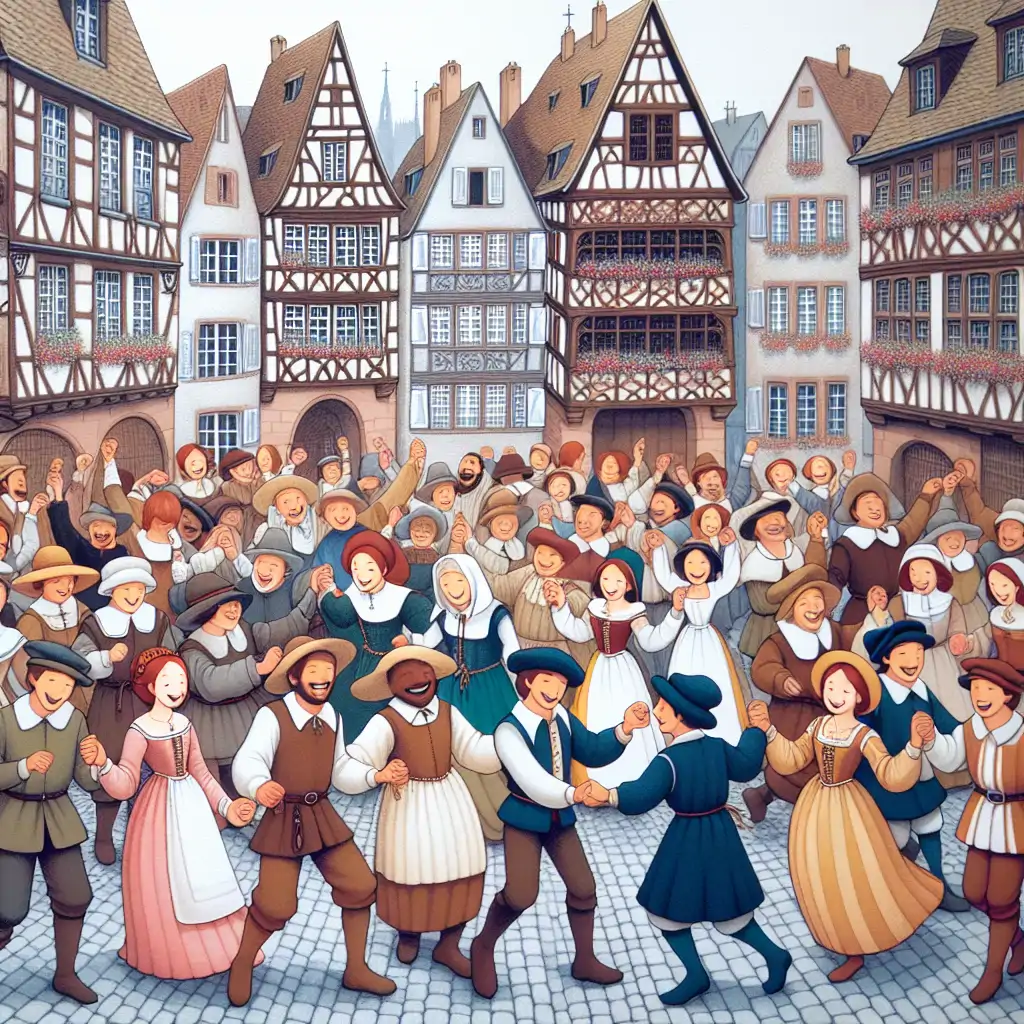
In the summer of 1518, the vibrant streets of Strasbourg suddenly transformed into an unexpected dance floor, setting the stage for one of history's most perplexing episodes: the Dance Plague. The oddity began with a seemingly innocuous act. A woman named Frau Troffea stepped into the bustling street and began dancing with fervor. But unlike the occasional jig one might indulge in when swept up by a catchy tune, Frau Troffea’s dance was different - it didn’t cease. For days, she continued to dance, her feet moving in a wild rhythm that defied both her own will and the understanding of onlookers. As the days passed, her solitary dance drew a crowd, not just of spectators but of eager participants. Dozens joined in her frenzied footwork, and as the mania spread, the number swelled to hundreds, all caught in a bizarre contagion that compelled them to dance until collapsing from exhaustion. The local authorities and physicians scrambled for explanations, their theories ranging from overheated blood to divine punishment, yet none could truly account for the inexplicable urge that drove these unfortunate dancers. Thus began the legend of the Dance Plague of 1518, a bewildering historical event that transformed merriment into mayhem and left behind a legacy that is both intriguing and slightly eerie.
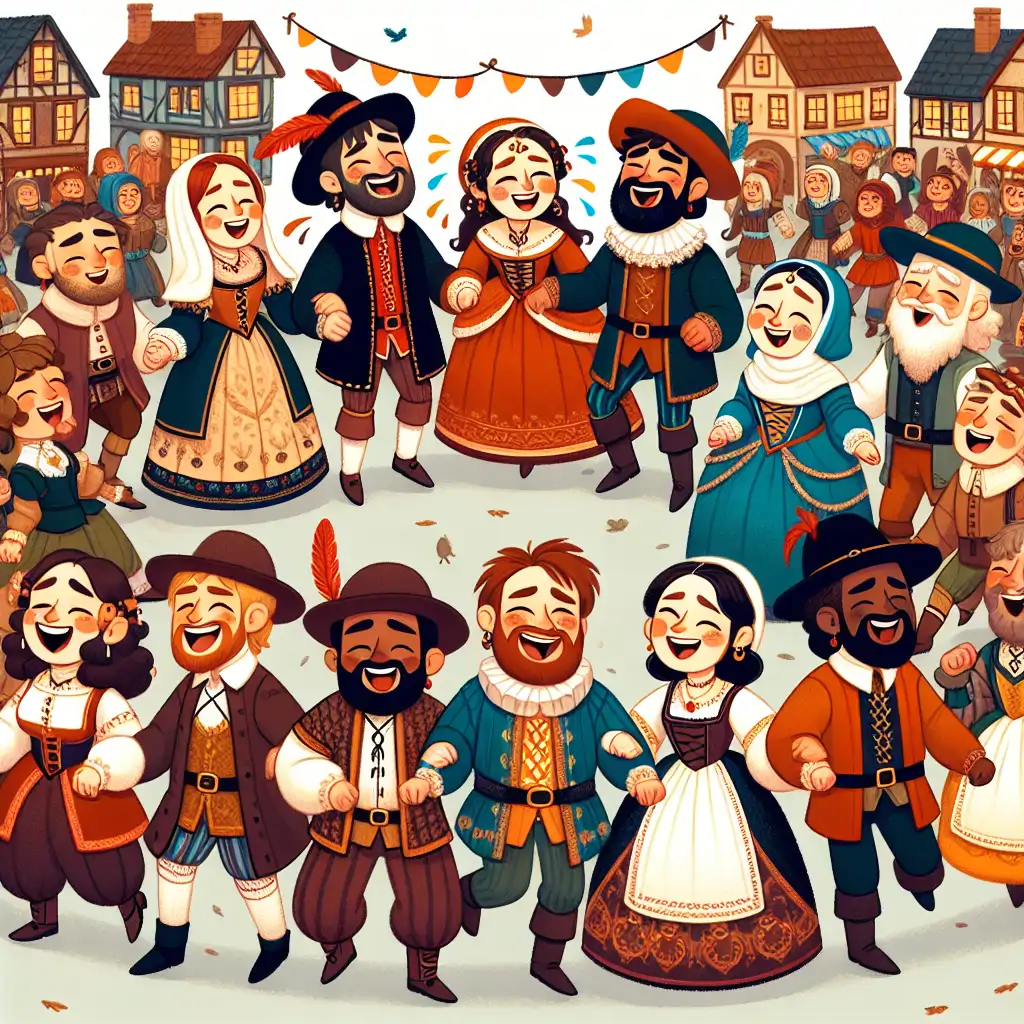
The Dance Plague of 1518 unfolded in a city already burdened by misfortune. Strasbourg, at the time part of the Holy Roman Empire, was facing a year of hardship. Famine had bitten into the resources of many, and disease lingered like an unwanted guest at every corner. It’s against this backdrop of distress that the Dance Plague emerged, adding a curious dimension to the struggles of the citizens. Observers at first might have dismissed the occurrence as a minor eccentricity - after all, dancing wasn’t unheard of in times of hardship, often used as a means to lift spirits. Yet, as the relentless days went by, it became apparent that this was no ordinary revelry. The dancers were not celebrating; they appeared trapped in a dance that took control over their very bodies, compelling them to move without cessation until their legs could no longer support them.
Reports from the time describe a nightmarish ordeal. Men, women, and even children succumbed to the dance's grip. The city’s streets, awash with a sea of dancers, resonated with the shuffling of feet on cobblestones, interspersed with cries for help and gasping breaths. What caused people to dance in such a manner remains a puzzle. Physicians of the time, overwhelmed by requests for explanations and cures, surmised that the dancers’ blood had become overheated – a preposterous conclusion by today’s scientific standards yet plausible enough for the medically unenlightened era. Religious leaders, interpreting the dance as divine retribution for sins, advocated repentance and prayer as solutions. In desperation, some even suggested gathering musicians to play, hoping structured melodies might bring rhythm to the chaos, perhaps even providing relief through music therapy.
Accounts of the dancing epidemic contain harrowing details. Participants danced irrespective of time, often throughout the day and night, collapsing in a heap only to rise and continue once their strength returned. Some attempted to eat or drink, while others merely pushed through with unrelenting vigor. The sheer physicality of the episode took a drastic toll, with records stating that several succumbed to strokes, heart attacks, or exhaustion-related deaths. Skeletal remains of the unfortunate are at times exhumed, bearing evidence of the wear and tear from the extreme exertion of their final dance.
The event’s cause has baffled historians and medical experts alike for centuries, leading to many hypotheses over time. Some propose mass hysteria or a collective psychological disorder, a concept known as ‘psychogenic illness,’ where the stress of the times likely contributed to a shared delusion or uncontrollable impulse. Others argue that ergotism could be responsible, caused by the consumption of bread made with ergot-contaminated rye - a fungus known to induce hallucinogenic effects. This theory aligns well with the fact that ergot contains LSD-like compounds which could convincingly explain the outlandish behavior.
Beyond its medical mystery, the Dance Plague serves as a fascinating lens into societal and cultural aspects of the 16th century. The lack of understanding of mental health and the religious interpretative frameworks prevalent at the time evoke quiet sympathy for the afflicted dancers and a recognition of how far human understanding has come. It also underscores a deep-seated human inclination to seek explanations for the incomprehensible, often optically coupling the divine and diabolic as convenient rationale when faced with an enigma.
One cannot delve into the Dance Plague without considering the reaction of the authorities. The Strasbourg government, initially at its wits’ end, eventually decided upon a counterintuitive measure. They constructed a stage and hired musicians in the hope of calming the dancers by providing an avenue for structured dance, initially betting on the therapeutic power of music to enrich the scenario with an uplifting or at least pacifying ambiance. Unfortunately, this tactic brought about mixed results. Far from calming the afflicted, it appeared to encourage further incidents, possibly because the music added a rhythmic stimulant to their already fevered state, reinforcing their uncontrollable urges instead of eliminating them.
The Dance Plague may seem amusing at a glance, conjuring images akin to a medieval flash mob, yet its tragic undertones serve as a harsh reminder of its victims’ fate. The phenomenon persisted over many weeks, the disciplined rhythm occasionally pausing as exhausted dancers fell, only to rise and continue, perpetuating the cycle. The city itself struggled to accommodate this bizarre influx of temporal insanity and marital stamina, a choreography choreographed by an unseen hand. Trials were held in a bid to find human culprits behind the outbreak, yet nothing concrete emerged - a mysterious inferno with no apparent spark.
Psychologically, the event might be illustrative of mass panic and societal distress venting through involuntary motion, a testament to the thresholds of societal tension. The strife of living conditions then, especially with the ever-present specter of disease and scarcity, likely weighed heavily on the psyche, sparking behavioral anomalies. Perhaps the dancing was, subconsciously, an effort to escape the grim reality, yet instead of liberation, it shackled them to an inexplicable fate.
There were, however, bold, albeit unqualified, medical attempts to staunch the frenetic tide. Bloodletting was a prescribed remedy, considered efficacious to cool 'overheated' blood, an act which often weakened the patients further rather than serving its intended purpose. Herbal concoctions, prayers, and even pilgrimage were advised as possible cures, correlating the event directly to spiritual misgivings rather than the pathogenic.
Intriguing parallels can be drawn between the Dance Plague and other documented incidents of choreomania across history, albeit none shared the sheer scale of the Strasbourg phenomenon. Similar events had emerged sporadically in places such as the Netherlands and Italy, pointing towards a recurring yet ungraspable human occurrence. The notion of dancing as a divine-borne duty or curse creates an evocative image of cultural interpretations and beliefs weaving into tangible behaviors.
The intricacies involved in understanding such phenomena hint at the dynamic interplay of physiological and psychological forces within communities then, begging questions about hamartia in human nature and how it could physically manifest in such unique fashions. Dance, traditionally linked to cultural practices and celebrations, here conveyed a narrative gone awry, a harmonious expression turned perilous.
Unlike other historical plagues or attacks which elicited immediate terror or dread, this one cloaked itself in the semblance of joy - dancing. Yet it exposed a latent horror: that of losing agency over one's own body, being subjected to an invisible orchestration devoid of will. Some religious sects postulated the Dance Plague as either a divine penance or a celestial jest, an ambiguity that seeped into existential fear, especially amongst rural folk.
Today, the Dance Plague is an enigma nostalgically recollected, dissected with intense scientific scrutiny, yet surviving in collective memory as both a cautionary and reflective story. The factual accuracy of many details might be questionable, yet that merely amplifies its folklore. Probably embellished over years, it stands as a testament to the intricate tapestry woven by human history and its enduring flair for the dramatic.
Modern interpretations are at times colored by poignant humor, examining the friction between a past fraught with mysticism and a present fixed on empirical ground. The Dance Plague repeatedly finds itself as a curious case study in disproportionate response theory, demonstrating elastic boundaries of human behavior against societal and environmental stimuli. Did the dancers feel euphoric, or was each step a reluctant battle against an unyielding force?
Learning from history involves identifying patterns emerging from unique situations, and as cryptic as the Dance Plague might be, it refocuses contemporary dialogue on how stress impacts collective human actions. Undoubtedly, the recurrence of similar phenomena in modern contexts might find different explanations, informed by robust social and psychological frameworks. Yet, the essence of the Dance Plague carries applicable insights into how communities react under systemic pressure.
The mysterious swathes of history like the Dance Plague remain testaments to relatively transitional human comprehension - a glimpse into what motivated humanity and an echo of its oft-repeated inclinations towards simpler conclusions for complex phenomenon. Superstitions provided an earlier scaffolding upon which societies structured responses, an often overlooked, yet enriching insight into cultural perceptions.
In dissecting such occurrences, discernment is pivotal, examining primary sources, societal conditions, environmental factors, and the underlying folklore potential, creating a vibrant mosaic devotees to historical inquiry find both compelling and profoundly rewarding. It challenges traditional narratives about progress and reinforces the theoretical elasticity required to engage with history's oddities - ultimately, learning the dance of time.
The Dance Plague, beyond its novelty, illuminates an era mirrored against its own perplexities. Even in the throes of illogical episodes, humanity sought and continues to seek meaning, resolved yet perpetually curious. Its legacy, enshrined in chapters obscure and oft unexplored, enriches our collective understanding about the world that was and the world that unfolds.
An enigma wrapped in a historical riddle, its story is far richer than merely entertainment, stretching to foundational queries about human reactionary practices and outcomes in the face of unmeasured stresses. A true dance across both reality and myth borne from it.
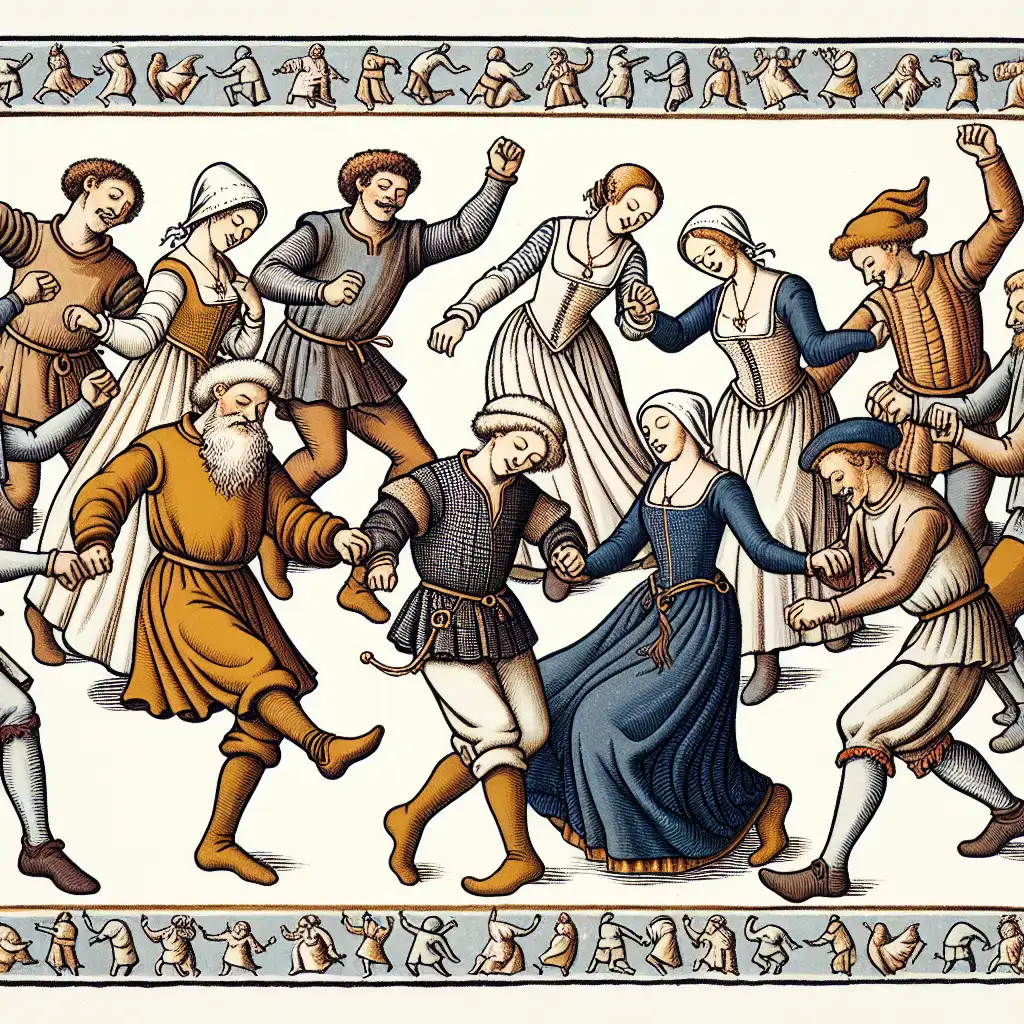
The Dance Plague of 1518 remains an enigmatic episode in our shared history, illustrating the intriguing layers of human behavior and societal reaction in the face of the inexplicable. The image of hundreds of Strasbourg citizens unwittingly dancing to their limits evokes a curious mix of intrigue and empathy. It challenges our understanding of historical events, inviting both scrutiny and a whimsy appreciation for bygone days where phenomena were woven with mystery and intrigue. The bizarre affair serves as a unique reminder that history, with its oddities, offers not just lessons on the human condition but also a colorful backdrop showing how resilience, faith, and community spirit come together in the most unlikely of forms. Future inquiries may unveil further insights, yet the Dance Plague stands firm as a captivating chapter in the ever-enticing chronicle of the past.
Thanks for taking the time to read my article! You may also find this one interesting.
The Great Emu War: When Australia Battled BirdsTil next time! Prijanka

Prijanka
Prijanka is a wellness coach and inspired blog writer. Drawing from her expertise in holistic health and her talent for motivating others, she writes insightful articles that empower readers to live healthier, more balanced lives, blending practical advice with a genuine passion for well-being.
A proud member of the B-Team
If you're curious to dive deeper into related topics, then you may find these external links useful.
1. Smithsonian Magazine - The Dancing Plague of 1518
An article that delves into the historical account of the Dance Plague of 1518, exploring various theories about its causes and its cultural significance.
https://www.smithsonianmag.com/smart-news/strange-case-dancing-mania-struck-germany-six-centuries-ago-today-180959549/2. BBC - The Mystery of the Dancing Plague
A detailed examination of the 1518 Dancing Plague, considering both historical documents and modern interpretations of what might have caused this phenomenon.
https://www.bbc.com/future/article/20161028-the-town-the-nearly-danced-itself-to-death3. History.com - Strasbourg Dancing Plague
Provides a historical overview and analysis of the Strasbourg Dancing Plague, incorporating insights from historians and medical experts.
https://www.history.com/news/what-was-the-dancing-plague-of-15184. The Lancet - Dancing Plague: An Early Case of Mass Psychogenic Illness?
A scholarly article hypothesizing that the Dancing Plague was a case of mass psychogenic illness, examining societal stressors and psychological dynamics.
https://www.thelancet.com/article/S0140-6736(09)60386-X/fulltext5. Mental Floss - The Bizarre History of the Dancing Plague
Offers a summary of the Dance Plague’s events and discusses various possible explanations, including ergotism and mass hysteria.
https://www.mentalfloss.com/article/58895/16th-century-dance-plague©2023 - 2026 SP Software Solutions Ltd. All rights reserved.